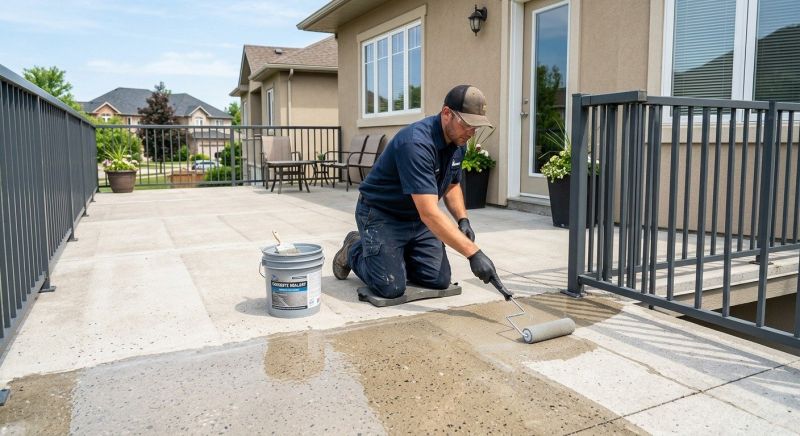
Veranda Sealing in Seattle, WA
Veranda sealing services involve applying a protective coating to outdoor wood or composite verandas to help preserve their appearance and structural integrity. This process typically includes cleaning the surface thoroughly, repairing any damage or deterioration, and then sealing the material with a specialized finish. Homeowners often request veranda sealing to prevent water penetration, reduce weather-related wear, and extend the lifespan of their outdoor living spaces, ensuring they remain safe and attractive for years to come.
Before requesting veranda sealing, property owners should consider the current condition of their veranda, including any signs of rot, cracking, or peeling paint that may need addressing beforehand. It’s also helpful to understand the type of material used for the veranda, as different surfaces may require specific sealing products and techniques. Proper preparation and choosing the right sealing method can make a significant difference in the durability and appearance of the outdoor space over time.
Many property owners in Seattle, WA look into Veranda Sealing for repairs, replacements, upgrades, and appearance-related improvements.
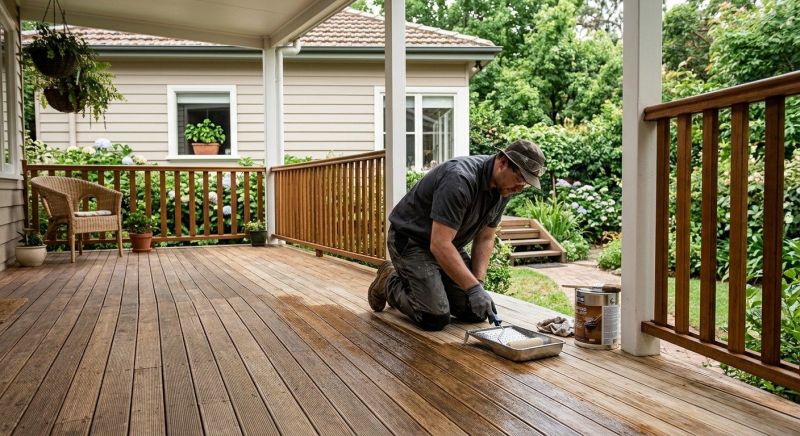
Protecting Your Veranda
Sealing helps prevent water damage and extends the life of your outdoor space.
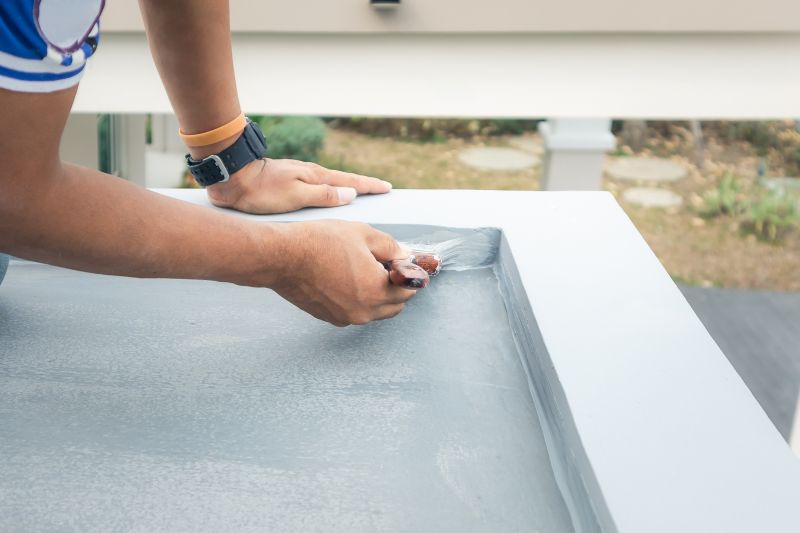
Enhancing Appearance
A well-sealed veranda maintains its natural look and resists stains and discoloration.
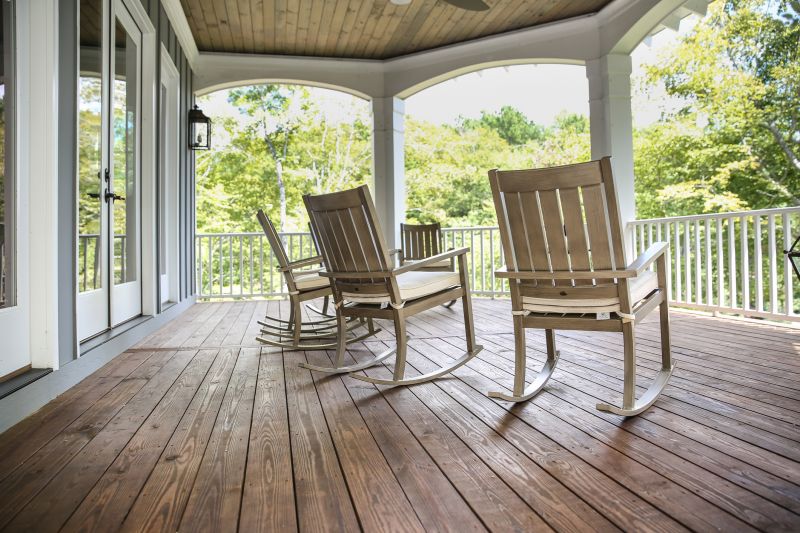
Maintaining Safety And Value
Proper sealing reduces the risk of slips and preserves the overall value of your property in seattle, wa.
Veranda Sealing in Seattle, WA

Veranda sealing services involve applying a protective coating to outdoor wood or composite verandas to help preserve their appearance and structural integrity. This process typically includes cleaning the surface thoroughly, repairing any damage or deterioration, and then sealing the material with a specialized finish. Homeowners often request veranda sealing to prevent water penetration, reduce weather-related wear, and extend the lifespan of their outdoor living spaces, ensuring they remain safe and attractive for years to come.
Before requesting veranda sealing, property owners should consider the current condition of their veranda, including any signs of rot, cracking, or peeling paint that may need addressing beforehand. It’s also helpful to understand the type of material used for the veranda, as different surfaces may require specific sealing products and techniques. Proper preparation and choosing the right sealing method can make a significant difference in the durability and appearance of the outdoor space over time.
Many property owners in Seattle, WA look into Veranda Sealing for repairs, replacements, upgrades, and appearance-related improvements.
Common Veranda Sealing Jobs
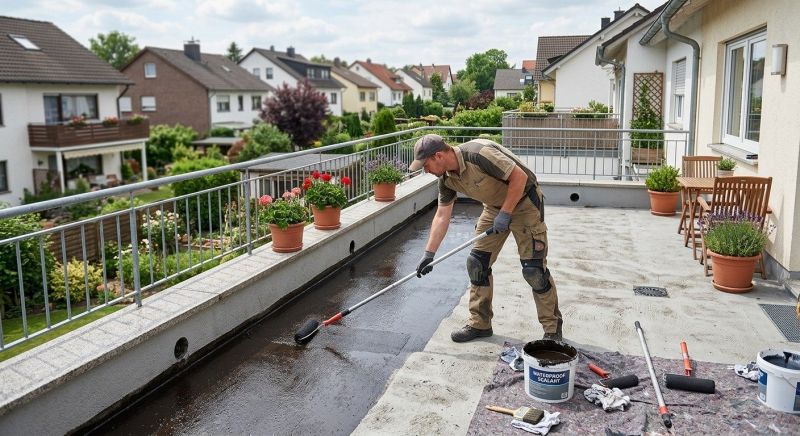
Veranda sealing - protects wood surfaces from moisture and weather damage.
Deck sealing - helps prevent cracking, warping, and fading on outdoor decks.
Porch sealing - extends the lifespan of porch flooring by sealing out water and debris.
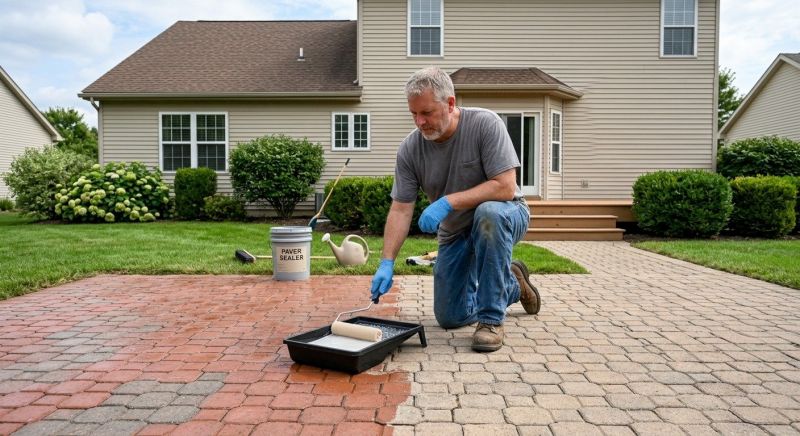
Patio sealing - creates a barrier against stains and enhances the durability of patio surfaces.
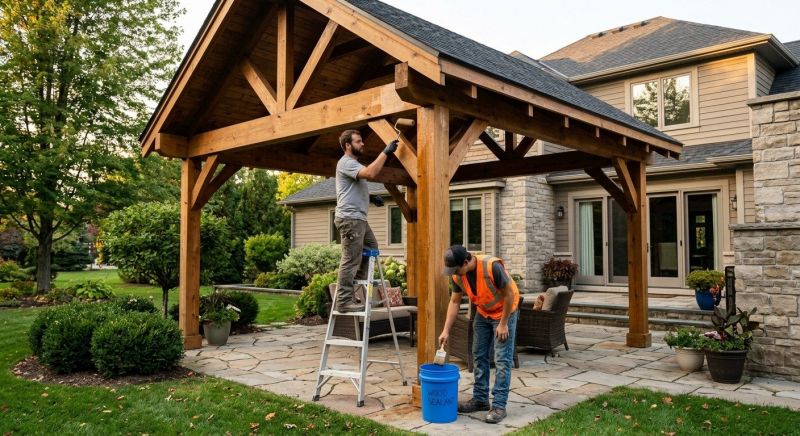
Wood surface sealing - preserves the appearance and integrity of wooden verandas and railings.
Sealing maintenance - involves periodic reapplication to keep outdoor wood surfaces protected.
Veranda Sealing Questions
What is veranda sealing? Veranda sealing involves applying a protective coating to the surface to prevent damage from moisture, UV rays, and daily wear.
Why should a veranda be sealed? Sealing helps maintain the appearance, extends the lifespan, and reduces the need for repairs caused by weather exposure.
What types of materials can be sealed on a veranda? Common materials include wood, composite, and concrete surfaces on verandas and decks.
How often should veranda sealing be redone? Typically, sealing is recommended every 1 to 3 years, depending on the material and exposure conditions.
Request Veranda Sealing in Seattle, WA
Use the quote form on this page to share the basics of your project and request more information for the type of work you need.